
0%

Commercial gyms need rowing equipment that can handle steady use without making every workout feel the same. An Incline Lever Row machine offers a supported pulling position and a clear path of movement, making it a practical option for many strength areas. But a familiar design does not guarantee a good fit. Frame stability, comfortable chest support, smooth lever travel, and accessible weight loading all deserve attention.

This guide compares ten Incline Lever Row machines with commercial use in mind. It considers construction, footprint, grip options, adjustability, maintenance needs, and how easily different members can use each unit. Small details matter: a pad that presses awkwardly, handles that feel too wide, or a loading peg that is hard to reach can affect everyday training. Fit comes first. A machine that works well in one club may not suit another gym’s layout or membership. Still, no ranking can replace a hands-on trial; product specifications do not always reveal how a machine feels under load. Where available, gym owners and coaches should review manufacturer information and test the movement before purchasing. The aim here is to offer a careful starting point, not a universal verdict.
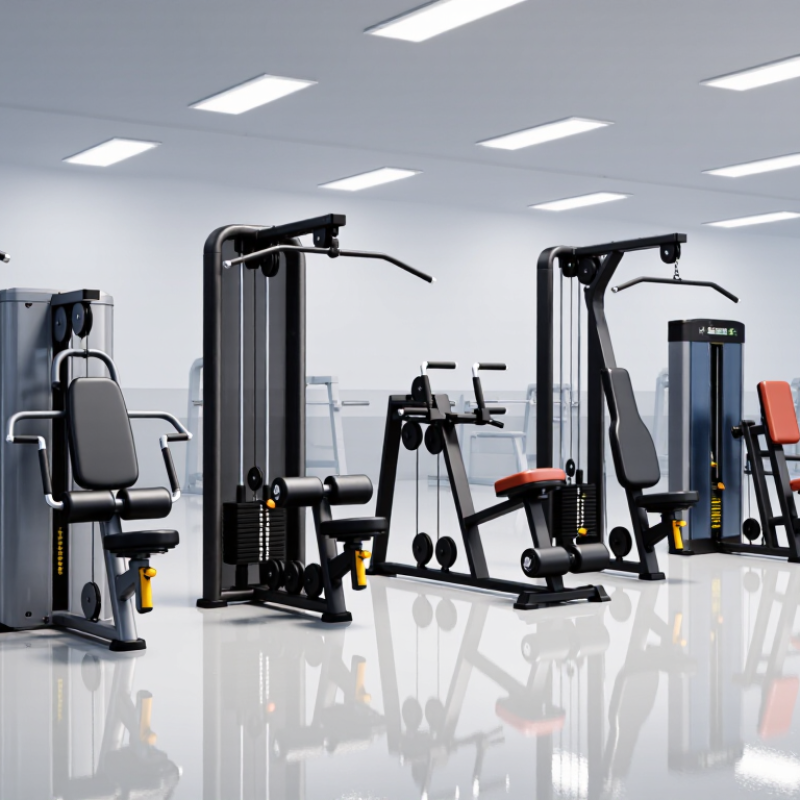
Top 10 Incline Lever Row Machines for Commercial Gyms

How Incline Lever Row Machines Work

An incline lever row uses pivoting arms to pull resistance toward the torso while the lifter rests against an angled chest pad. The pad helps limit torso swinging, though it does not remove every demand on the body. Set the seat so the handles begin within a comfortable reach, then plant both feet firmly. Small setup changes matter.

During each repetition, pull the handles toward the lower ribs and let the elbows travel back without forcing them far behind the body. The shoulder blades move toward each other, while the back, arms, and grip share the work. The lever arms rotate around fixed pivots, so resistance changes with the machine’s geometry. Commercial models may use weight plates or a selectorized stack.

Keep the chest in contact with the pad and lower the handles under control. A brief pause near the torso can make rushed repetitions easier to spot. The movement is not a magic shortcut to a stronger back; range of motion and load should suit the user. If the shoulders pinch or the wrists bend sharply, reduce the load and adjust the seat or grip. Even careful setup may feel imperfect at first. That is useful feedback, not a reason to force the motion.

Key Criteria for Evaluating Commercial-Grade Models

Commercial-grade incline lever rows should be judged by fit, movement quality, and serviceability—not just their listed weight capacity. The ACSM’s 2025 Worldwide Fitness Trends survey ranked traditional strength training fifth, reflecting its continued place in exercise programming. That does not prove demand for one specific machine, but it supports careful evaluation of strength equipment.

Check whether the chest pad supports users without forcing their shoulders forward, and whether the seat and handles accommodate different torso lengths. During a trial, pull slowly through the full range; the lever should move smoothly, without a clunk at the start or a sudden change in resistance. Inspect welds, pivot points, grip texture, and adjustment pins. Small faults become daily interruptions.

Commercial use makes upkeep part of the buying decision. The Health & Fitness Association’s 2024 U.S. Health & Fitness Consumer Report counted 72.9 million fitness-facility members in 2023, a reminder that busy clubs serve many different bodies. Ask about replacement-part availability, maintenance intervals, and clear service access around the machine. Check its footprint against real aisle space, not a floor plan alone. Fit matters. A checklist still cannot capture every user’s comfort; that judgment deserves a supervised trial, even if the first impression is imperfect.

Top 10 Incline Lever Row Machines for Commercial Gyms

A commercial incline lever row should feel stable before the first repetition. The chest pad must support the torso without pressing into the throat, and the footplates should prevent sliding. A practical top-ten shortlist can cover distinct needs: independent-arm, converging-arm, neutral-grip, multi-grip, narrow-grip, wide-grip, adjustable-pad, heavy-duty, compact-footprint, and easy-service designs. These are useful categories, not a universal ranking. A machine that suits a tall member may feel awkward for someone with shorter arms. Check the handle path and adjustment range with different users.

For busy gyms, inspect welds, pivot movement, seat upholstery, and plate-loading access. Arms should travel smoothly without clanking, while the frame stays planted during controlled pulls. Ask whether staff can replace common wear parts without lengthy downtime. Then compare the machines in person, using a light load and a full, comfortable range of motion. Small details matter. A stiff adjustment pin can frustrate members between sets.

One caveat: “commercial grade” alone says little about fit or serviceability. Even a strong machine can be poorly placed, crowded, or difficult to adjust. Keep those shortcomings in view when choosing the final lineup.

Comparing Design, Adjustability, and Training Experience

Top 10 Incline Lever Row Machines for Commercial Gyms
Comparing Design, Adjustability, and Training Experience

Choosing among ten incline lever row machines means looking beyond frame size. A stable base matters when members pull hard, while a chest pad should support the torso without pressing into the throat. Check whether the seat and pad adjust in small, useful increments. A few settings can make the machine fit more bodies. Handle shape and spacing also change the feel: neutral grips may feel comfortable, while wider grips invite a different elbow path. Small details matter. Compare the lever’s starting position and resistance through the full pull; some machines feel unusually heavy at the beginning, which can disrupt smooth repetitions.

Tips: Sit down and test the adjustments before comparing prices. Check that the feet stay planted and the chest pad does not shift. Ask several users to try the handles. Their reach may differ.

For a busy gym, prioritize quick adjustments, clear movement, and durable contact points over extra features that rarely get used. A well-designed machine should let users brace comfortably, row without excessive rocking, and return the handles under control. Still, no single setup suits everyone. Very short users may struggle with fixed handles, and a thick pad can feel restrictive during longer sets. Test the machine with different body sizes and realistic loads, then note what feels awkward. That part is easy to overlook.

How to Select and Maintain an Incline Lever Row Machine

Top 10 Incline Lever Row Machines for Commercial Gyms

Selecting an incline lever row machine starts with fit, not extra features. Check that the chest pad supports different torso sizes and that the handles allow a comfortable, neutral grip. The foot platform should feel stable when users pull hard. Test the seat and adjustment points in person, if possible. A machine that suits one staff member may feel awkward for another. That detail is easy to miss.

For a busy gym, inspect frame stability, welds, pivot movement, and the condition of the upholstery. Smooth lever travel matters; uneven resistance can make controlled repetitions difficult. Compare the machine’s footprint with its working space, including room for users to enter and exit. Ask about replacement parts and service support before purchasing. Specifications help, but they cannot show every real-world inconvenience. I would still reassess the choice after observing members use it.

Tips: Keep the area around the machine clear. Wipe pads and handles daily, and check exposed bolts and pivot points on a regular schedule. Follow the manufacturer’s maintenance instructions; avoid adding lubricant where it is not recommended. Note unusual noises or looseness, then remove the machine from use until a qualified technician checks it. Small checks help, though busy teams may overlook them. A simple inspection log can make that less likely.

FAQS

How does an incline lever row machine work?

Pivoting arms pull resistance toward your torso while an angled chest pad limits body swinging. It does not remove every physical demand.

How should I set up before rowing?

Adjust the seat until the handles feel comfortably reachable. Plant both feet and keep your chest against the pad. Small changes matter.

Which muscles work during the exercise?

Your back, arms, and grip share the effort as your shoulder blades move closer. Pull the handles toward your lower ribs.

How can I keep each repetition controlled?

Pull smoothly, pause briefly near your torso, then lower the handles with control. Avoid forcing your elbows far behind you.

What should a gym check before buying a machine?

Test the pad, seat, grip, and foot platform with users of different sizes. Check welds, pivots, adjustment pins, and aisle clearance.

Is listed weight capacity enough to judge a model?

No. Fit, smooth movement, service access, and replacement-part availability matter too. Specifications cannot show every daily inconvenience.

What maintenance helps keep the machine ready?

Wipe the pads and handles daily. Check exposed bolts and pivot points regularly, and keep a simple inspection log.

When should a machine be taken out of use?

If it makes unusual noises or feels loose, stop using it until a qualified technician checks it. Do not guess.

How can a gym judge user comfort?

Arrange a supervised trial and watch several people use the machine. I would reassess my first impression; one person’s fit may mislead.

Conclusion

This guide explains how an Incline Lever Row machine supports controlled, chest-supported pulling by guiding the user through a stable range of motion. It outlines the main factors to consider when evaluating commercial-grade models, including frame strength, smooth lever action, grip options, seat and chest-pad adjustability, footprint, and ease of maintenance. The top 10 machines are compared by design, adjustability, and the training experience they offer, helping gym operators understand how different configurations may suit varied users and facility needs.

The guide also provides practical advice for selecting a machine based on available space, expected usage, user comfort, and training goals. Simple maintenance considerations—such as checking moving parts, tightening fasteners, and keeping contact surfaces clean—can help preserve reliable operation over time. Together, these points offer a useful framework for choosing and caring for an incline lever row station in a commercial gym.

Julian Mercer

Julian Mercer

Julian Mercer is a professional marketing specialist with a strong understanding of the company’s products, customer needs, and the practical challenges its customers face. He regularly contributes expert articles to the company website, sharing clear, useful guidance on product features,......