Blog

China Best Cable Crossover Machine Manufacturer?

China Best Cable Crossover Machine Manufacturer?

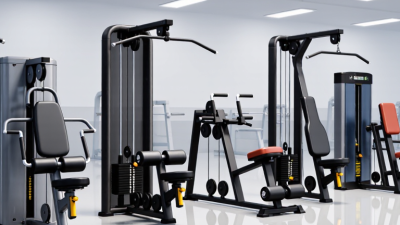
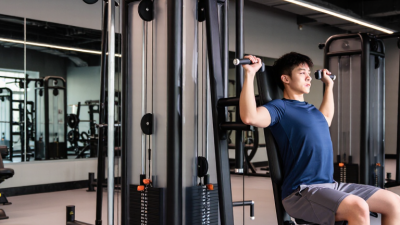
Choosing the China Best Cable Crossover Machine Manufacturer requires more than comparing prices or polished product photos. A reliable supplier should demonstrate practical manufacturing experience, clear engineering knowledge, and consistent quality control. This article examines how Chinese manufacturers design, produce, and test Cable Crossover Machine systems for gyms, studios, hotels, and rehabilitation facilities. Look closely at the frame before judging the finish. A strong machine should use stable steel tubing, accurate welds, smooth pulley movement, and durable cable coatings. Check the weight stack, adjustment points, handles, protective covers, and floor contact areas. Small details matter during repeated training sessions. They affect safety, comfort, noise, and maintenance costs. Manufacturer credibility also deserves careful review. Buyers should request factory videos, material specifications, load testing records, warranty terms, and export references. Independent inspections can provide additional confidence. Certifications may support trust, but they should be verified against the actual model and destination market. A professional supplier should explain customization limits, replacement-part availability, packaging methods, and delivery procedures without hiding weaknesses. No supplier is perfect. Some factories may offer excellent welding but weaker documentation. Others may provide attractive customization but slower after-sales support. This comparison therefore focuses on evidence, not impressive promises. It considers production capability, product reliability, communication quality, and long-term service. The right decision depends on matching the manufacturer’s strengths with the buyer’s facility, budget, usage intensity, and safety expectations. Practical testing remains essential. A machine that looks impressive in a showroom may behave differently after months of daily use.
Read more »

Julian Mercer By:Julian Mercer - October 24, 2026
China Top Olympic Lifting Platform Manufacturers?

China Top Olympic Lifting Platform Manufacturers?

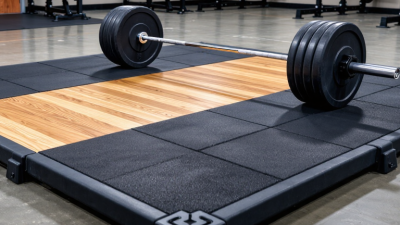
Choosing an Olympic Lifting Platform is a technical decision, not merely a purchasing exercise. Manufacturers must balance impact absorption, bar rebound, surface grip, noise control, and long-term structural stability. These details matter in training halls, collegiate facilities, rehabilitation centers, and competition venues. The ACSM Worldwide Survey of Fitness Trends has repeatedly placed strength training among major global fitness priorities. The Sports & Fitness Industry Association’s participation reports also track continued interest in weightlifting and strength-based activities. However, these reports measure participation, not platform quality. That distinction is easy to miss. Market forecasts can also differ widely because researchers define “lifting platforms” differently. Buyers should examine the methodology, sample size, and regional coverage before trusting a growth percentage. Dr. Mike Stone, a respected strength-and-conditioning researcher, has stated, “Strength is the ability to produce force.” That principle explains why platform construction deserves careful analysis. A stable Olympic Lifting Platform should support controlled force production while protecting the floor beneath it. Rubber thickness, hardwood composition, modular design, edge alignment, and moisture resistance all influence daily performance. The International Weightlifting Federation’s technical standards provide useful reference points, but commercial facilities may require additional acoustic and maintenance features. No single manufacturer fits every application. A platform for a private studio may prioritize portability, while a high-volume training center needs replaceable panels and stronger load distribution. This guide compares leading manufacturers through those practical criteria, while recognizing that published specifications do not always reflect field performance.
Read more »
Amelia By:Amelia - October 19, 2026
Top 10 Types of Belt Squat Machines for Buyers

Top 10 Types of Belt Squat Machines for Buyers

The Belt Squat Machine has moved from a specialist strength tool into more mainstream gym planning. Buyers now face many designs, including lever, cable, plate-loaded, selectorized, and modular systems. Each type changes loading feel, footprint, maintenance needs, and user access. The American College of Sports Medicine’s Worldwide Survey of Fitness Trends 2024 placed traditional strength training among the leading global fitness trends. That finding reflects continuing demand for practical resistance equipment, especially in commercial gyms and performance facilities. The Health & Fitness Association’s 2024 Global Report also describes a large, increasingly diverse fitness industry, where equipment flexibility and member experience strongly influence purchasing decisions. These reports do not prove that every facility needs a belt squat. Fit matters. A strong buying decision requires more than comparing advertised weight capacity. Reviewers should examine the belt’s width, hip comfort, platform size, handle position, starting resistance, and safety stops. A machine may look powerful yet feel awkward for shorter athletes. Another may offer smooth movement but consume valuable floor space. Noise, cable routing, plate storage, and warranty support also affect long-term value. This guide evaluates the top 10 types of Belt Squat Machine for buyers. It considers construction, biomechanics, installation, user control, and operating costs. The ranking is not absolute. A private garage gym, university facility, and high-volume club have different priorities. Data helps, but hands-on testing remains essential. Even experienced buyers can overlook small details, especially when product specifications appear impressive.
Read more »
Julian Mercer By:Julian Mercer - October 14, 2026
7 Glute Ham Developer Buying Tips for Global Buyers

7 Glute Ham Developer Buying Tips for Global Buyers

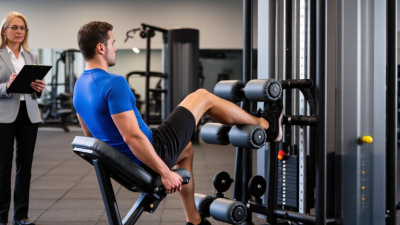
Buying a Glute Ham Developer is not simply a matter of choosing the strongest-looking frame. Global buyers must connect equipment design with athlete safety, facility capacity, local standards, and long-term maintenance. A machine may appear impressive in photographs, yet fail when its pads shift, its welds flex, or its adjustment pins wear quickly. The market context matters. The 2024 EuropeActive and Deloitte European Health & Fitness Market Report recorded 67.6 million club members and €31.8 billion in industry revenue across Europe in 2023. This growth increases demand for durable strength equipment, but it also raises buyer expectations. Meanwhile, ACSM’s Worldwide Survey of Fitness Trends consistently identifies strength training, functional exercise, and technology-supported programming as important industry directions. These reports do not select a Glute Ham Developer for you. They show why specifications deserve closer inspection. This guide presents seven practical buying tips for international purchasers. It examines frame stability, pad geometry, adjustment range, user comfort, material quality, certifications, shipping, and after-sales support. Check the details. A coach should test knee support, hip alignment, and footplate grip with real movement, not only a product brochure. A facility manager should measure doorways, flooring, and storage space before ordering. Manufacturers should provide load ratings, steel specifications, warranty terms, and replacement-part availability. Those documents reveal more than polished marketing language. No checklist is flawless. Prices can hide weak service, while premium branding cannot guarantee better biomechanics. Buyers should compare evidence, request factory photographs, and ask how quality control is documented. That cautious process supports safer decisions and more reliable global purchasing.
Read more »
Julian Mercer By:Julian Mercer - October 9, 2026
What Is a Selectorized Chest Press Machine?

What Is a Selectorized Chest Press Machine?

The Selectorized Chest Press is becoming a practical fixture in modern strength facilities. Its guided movement, adjustable seat, and visible weight stack help users train the chest with fewer setup decisions. That matters in busy clubs, rehabilitation rooms, and hotel gyms. The Health & Fitness Association reported that the global fitness industry reached approximately $96.7 billion in revenue in 2023, with about 184 million members worldwide. More members also mean greater demand for equipment that feels safe, understandable, and efficient. It is not a perfect solution. A Selectorized Chest Press cannot replace coaching, progressive programming, or individual assessment. However, it can provide a consistent pressing path for beginners and experienced users. Dr. Wayne Westcott, a widely cited strength-training researcher, has stated, “Strength training is the most important exercise for maintaining functional ability as we age.” His observation supports the machine’s broader value beyond appearance. It connects resistance training with daily movement and long-term independence. This guide examines the machine’s design, biomechanics, adjustment points, benefits, and limitations. It also considers user comfort, maintenance, accessibility, and training quality. The ACSM Worldwide Survey of Fitness Trends continues to place strength training and technology-supported exercise among important industry priorities. Still, reports cannot predict every user’s experience. A machine may fit one person perfectly and feel awkward to another. Small details matter, including handle width, back-pad angle, range of motion, and starting resistance. The right choice is therefore practical, evidence-informed, and open to review.
Read more »
Amelia By:Amelia - October 4, 2026
Top 10 Plate Loaded Leg Press Machines for Global Buyers

Top 10 Plate Loaded Leg Press Machines for Global Buyers

Choosing a reliable Plate-Loaded Leg Press requires more than comparing glossy product photos. Global buyers need equipment that performs consistently, ships safely, and fits local training environments. This guide examines ten leading machines through practical criteria, including frame strength, carriage travel, footplate size, loading capacity, and user comfort. Small details matter. A smooth bearing system can reduce noise during heavy sets. A wide platform can improve foot placement for different athletes. Our comparison also considers manufacturer experience, warranty coverage, spare-part access, and documented safety information. These factors often matter more than an impressive maximum-load number. Buyers should check steel thickness, weld quality, assembly requirements, and import conditions before ordering. Regional service support can prevent long interruptions when a handle, pad, or bearing needs replacement. No ranking is perfect. User height, gym traffic, available floor space, and budget can change the best choice. We may favor balanced performance over extreme loading claims, because everyday reliability is easier to verify. Photos can mislead. Ask for technical drawings, testing details, and maintenance guidance where possible. The machines below are selected to help commercial gyms, private facilities, and international distributors compare options with greater confidence. Expect useful differences, not a single universal winner.
Read more »
Amelia By:Amelia - September 29, 2026
What Is the Best Commercial Strength Equipment for 2026?

What Is the Best Commercial Strength Equipment for 2026?

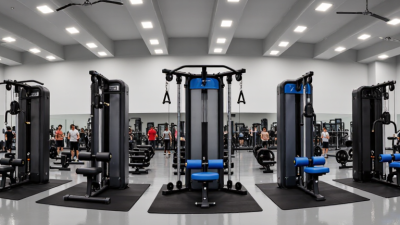
Choosing the best Commercial Strength Equipment for 2026 requires more than comparing prices or counting machines. A successful facility needs equipment that supports safe training, efficient coaching, and consistent member use. This guide examines racks, cable systems, plate-loaded machines, selectorized units, benches, and functional training stations. Real-world performance matters. A power rack should feel stable during heavy squats, with minimal frame movement under load. A cable machine should move smoothly, even when several members train nearby. Upholstery must resist sweat, repeated cleaning, and daily friction. These details often reveal quality better than marketing claims. Durability comes first. The strongest option is not always the best option. A premium machine may exceed the needs of a small studio, while a cheaper model may create maintenance problems in a busy gym. This comparison considers biomechanics, adjustability, warranty coverage, spare-part access, footprint, and user experience. It also considers long-term ownership costs, including installation, repairs, and staff training. No ranking is perfectly universal. Facility goals differ. A rehabilitation center needs different solutions from a university weight room or a high-volume fitness club. Therefore, the final choice should reflect training styles, available space, member ability levels, and expected daily traffic. Evidence from manufacturer specifications, professional coaching experience, and practical facility management will guide the discussion. Some conclusions may remain debatable, because equipment quality can change across models and production years. That uncertainty deserves attention.
Read more »
Julian Mercer By:Julian Mercer - September 24, 2026