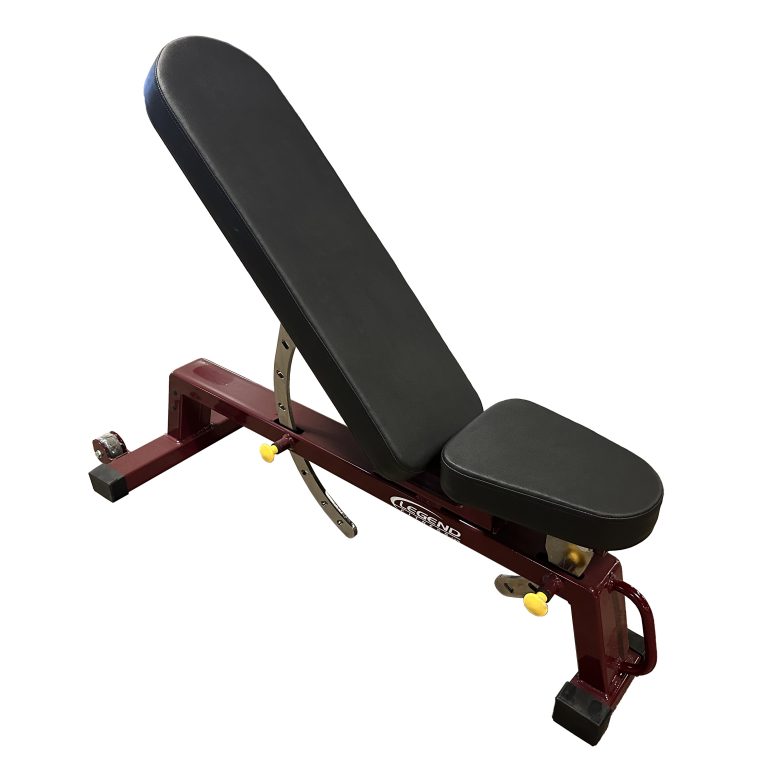
Commercial Half Cage Strength Rack: Mastering B2B Procurement Intent
In the modern strength and conditioning landscape, facility directors, university athletic directors, and commercial gym operators face an unprecedented challenge: maximizing training station density and user safety while constraining capital expenditure and spatial footprint.

The Evolution of the Half Rack Architecture
Historically, commercial facilities relied on traditional enclosed four-post or six-post power cages. While full power cages offer an enclosed safety perimeter, they introduce spatial inefficiencies, impede dynamic movement patterns, and create visual barriers across high-density weight rooms.
The Half Cage Strength Rack (frequently designated as a half rack) has emerged as the premier compromise between rigid structural safety and open-concept biomechanical movement. By utilizing two main heavy-duty structural uprights backed by rear weight-storage posts, a commercial half cage provides complete open-access lifting zones for explosive movements such as snatching, clean-and-jerks, overhead pressing, and plyometric benching, without compromising structural integrity or spotter access.
- Unobstructed overhead movement corridor for multi-planar lifts
- Faster spotter reaction time and direct emergency intervention lines
- Integrated plate storage trees that stabilize center of gravity
- Direct compatibility with integrated oak hardwood and rubber lifting platforms