The Belt Squat Machine has moved from a specialist strength tool into more mainstream gym planning. Buyers now face many designs, including lever, cable, plate-loaded, selectorized, and modular systems. Each type changes loading feel, footprint, maintenance needs, and user access.
The American College of Sports Medicine’s Worldwide Survey of Fitness Trends 2024 placed traditional strength training among the leading global fitness trends. That finding reflects continuing demand for practical resistance equipment, especially in commercial gyms and performance facilities. The Health & Fitness Association’s 2024 Global Report also describes a large, increasingly diverse fitness industry, where equipment flexibility and member experience strongly influence purchasing decisions. These reports do not prove that every facility needs a belt squat.
Fit matters.
A strong buying decision requires more than comparing advertised weight capacity. Reviewers should examine the belt’s width, hip comfort, platform size, handle position, starting resistance, and safety stops. A machine may look powerful yet feel awkward for shorter athletes. Another may offer smooth movement but consume valuable floor space. Noise, cable routing, plate storage, and warranty support also affect long-term value.
This guide evaluates the top 10 types of Belt Squat Machine for buyers. It considers construction, biomechanics, installation, user control, and operating costs. The ranking is not absolute. A private garage gym, university facility, and high-volume club have different priorities. Data helps, but hands-on testing remains essential. Even experienced buyers can overlook small details, especially when product specifications appear impressive.
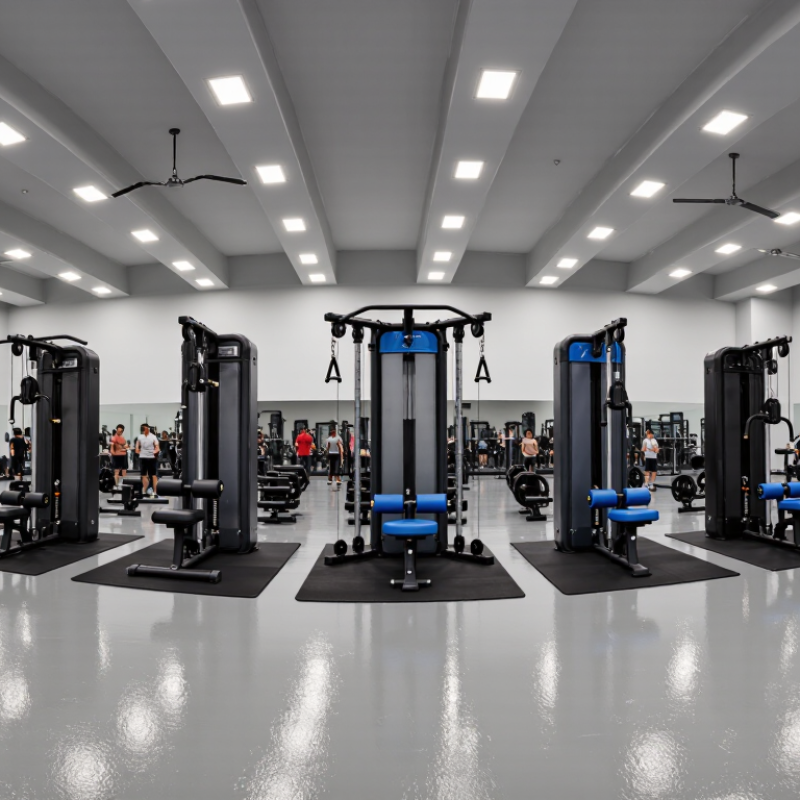
A belt squat machine uses a padded belt around the hips, connected to a loading arm, cable, or lever. When you squat, the resistance pulls downward while your legs drive upward. This places much of the load through the pelvis instead of across the shoulders. The exact feeling changes with pulley height, foot position, and machine geometry.
This design can help lifters train the quadriceps, glutes, and hamstrings while keeping the torso more upright. However, it does not automatically remove spinal stress. A 2024 review in the Journal of Strength and Conditioning Research noted that resistance distribution changes joint demands rather than eliminating them. The ACSM’s 2024 Worldwide Survey of Fitness Trends also kept traditional strength training among major fitness priorities. That supports demand for practical lower-body equipment, but it does not prove every belt squat model suits every buyer.
Tips: Check the belt width, platform grip, starting height, and emergency stops. Load the machine lightly first. Feel the cable path. A stable base matters more than a dramatic weight rating. WHO guidelines recommend muscle-strengthening work on at least two days weekly, but frequency should match recovery and experience. I would test several foot positions before judging the machine. Small setup errors can change knee and hip comfort. Some machines feel smooth. Others feel awkward, and that difference is easy to underestimate.
A belt squat transfers the load from the shoulders to the hips through a lifting belt, reducing spinal compression while allowing the user to train the legs through a squat pattern. The chart compares common machine designs by their typical adjustability features.
How to read the chart: The feature score counts commonly available adjustment points in each design, including belt height, platform position, handle position, resistance setup, and counterbalance control. Higher scores generally indicate more setup flexibility, while the best choice depends on training goals, available space, and loading preference.
Top 10 Types of Belt Squat Machines for Buyers
Core Design Features Shared by Belt Squat Machines
Belt squat machines share a simple idea: load the hips while reducing direct spinal compression. ACSM’s 2024 Worldwide Survey of Fitness Trends ranked traditional strength training fifth, confirming strong demand for practical resistance equipment. That demand makes design quality important, not decorative.
Most models use a reinforced frame, a belt platform, and a guided loading path. The platform should feel stable under heavy pressure. A wide footplate helps users adjust stance and depth. A rotating belt attachment can reduce twisting during descent. Counterbalanced arms or safety stops may improve control, but they can also change the resistance curve. Buyers should test the first few inches carefully.
Cable, lever, plate-loaded, and selectorized versions feel different. Plate-loaded designs offer straightforward progression. Cable systems usually provide smoother movement. Selectorized machines save setup time. According to the 2022 IHRSA Global Report, health clubs represented about 184 million memberships worldwide in 2021, increasing pressure for durable, easy-to-use equipment. Still, a busy facility may prefer simple maintenance over extra mechanics.
Check welds, bearings, belt stitching, and adjustment points. Small details matter. I have seen machines with impressive frames but awkward belt heights. That flaw can shorten range of motion and frustrate shorter users. Weight capacity alone proves little. A trustworthy evaluation should include noise, stability, access, and repeated movement under realistic loads.
Top 10 Types of Belt Squat Machines for Buyers
Ten Main Types of Belt Squat Machines for Different Training Needs
Belt squat machines now support strength, rehabilitation, and lower-body conditioning. The 2024 ACSM Worldwide Survey keeps traditional strength training among the leading fitness trends. That demand makes equipment selection more important. A useful comparison includes ten main types: plate-loaded, selectorized, cable-driven, lever-arm, counterbalanced, rack-integrated, standalone, pit-mounted, portable, and belt-squat machines with reverse-hyper or calf-training attachments.
Plate-loaded models suit experienced lifters who want visible, adjustable resistance. Selectorized units offer faster changes and controlled progression. Cable-driven designs usually provide smoother loading, although cable wear needs inspection. Lever-arm machines can feel stable under heavy loads. Counterbalanced versions may help beginners or users returning from injury. Rack-integrated systems save floor space, but they require careful installation. Standalone machines offer easier placement. Pit-mounted designs provide a lower stepping height and a fixed training position. Portable units suit small studios, though their lighter frames may reduce stability. Combination machines add exercise variety, but extra mechanisms can increase maintenance.
The NSCA emphasizes progressive loading, movement quality, and individual assessment in strength training practice. Buyers should check belt width, platform angle, handle height, load rating, and emergency access. A 2023 industry equipment survey by a commercial fitness research group reported that durability and versatility remain major purchasing priorities among facility operators. That finding sounds practical, yet it should not replace hands-on testing. I would test the machine with slow squats, heavier sets, and uneven loading. Small design flaws become obvious then. Maybe the “best” model is simply the one users can adjust correctly.
| No. | Machine Type | How It Works | Typical Loading Method | Typical Footprint | Main User | Primary Training Benefits | Buyer Considerations |
|---|---|---|---|---|---|---|---|
| 1 | Standalone Plate-Loaded Belt Squat | A dedicated frame supports the user on a belt while a lever or carriage transfers resistance from the hips and legs. | Olympic weight plates | Approximately 1.5–2.5 m² | Strength gyms | Provides a stable squat pattern with less spinal loading than a traditional barbell squat for many users. | Requires dedicated floor space, suitable plates, secure belt adjustment, and adequate frame stability. |
| 2 | Lever-Arm Belt Squat | A pivoting lever arm creates a guided resistance path as the user squats, stands, or performs related lower-body movements. | Weight plates on lever pegs | Approximately 1.5–2.2 m² | Athletes and lifters | Offers a predictable resistance arc and can support controlled strength work, split squats, and step-up variations. | Check lever travel, starting resistance, range of motion, plate clearance, and the quality of pivot bearings. |
| 3 | Cable-Driven Belt Squat | A belt connects to a cable and pulley system, allowing resistance to move vertically or along a guided cable path. | Weight stack or plates | Approximately 1.0–2.0 m² | Commercial facilities | Makes incremental loading convenient and can provide smooth resistance for general strength and rehabilitation-oriented training. | Inspect cable routing, pulley alignment, stack increments, adjustment points, and required maintenance access. |
| 4 | Selectorized Belt Squat | The user selects resistance with a pin on an integrated weight stack instead of loading loose plates. | Pin-selected weight stack | Approximately 1.5–2.5 m² | Fitness centers | Supports fast resistance changes, consistent workouts, and easier supervision in busy training environments. | Usually has a lower maximum load than heavy plate-loaded designs and requires room for stack movement and servicing. |
| 5 | Rack-Attachment Belt Squat | A belt-squat attachment connects to a compatible power rack or squat stand and uses the rack structure for support. | Plates or rack cable system | About 0.5–1.5 m² additional space | Home gyms | Adds belt-squat capability without requiring a separate full-size machine and can complement rack-based training. | Compatibility is critical; verify rack dimensions, attachment points, load rating, clearance, and installation requirements. |
| 6 | Cable Crossover Belt-Squat Setup | A low cable from a crossover or functional trainer attaches to a belt while the user stands on a platform or floor area. | Weight stack through low pulley | Uses existing cable area | Multi-use gyms | Maximizes existing equipment and allows belt squats alongside cable-based pulls, rows, and accessory movements. | The cable angle changes resistance behavior; users need sufficient distance, a stable stance, and an appropriate low pulley. |
| 7 | Compact Home Belt Squat | A smaller frame or foldable arrangement provides belt-squat resistance while reducing storage and setup demands. | Light to moderate plate loading | Approximately 0.8–1.5 m² | Space-limited users | Provides lower-body training in smaller rooms and can be suitable for general fitness or moderate-strength programs. | Compact designs may have less loading capacity, shorter platforms, and fewer adjustment options than commercial units. |
| 8 | Belt Squat with Adjustable Foot Platform | The platform angle, height, or stance position can be adjusted to change lower-body mechanics and accommodate different users. | Plates, lever, or cable | Approximately 1.5–2.5 m² | Performance facilities | Allows stance and depth adjustments for squats, calf raises, split squats, and targeted lower-body programming. | More adjustment points can improve versatility but may increase setup time and require regular inspection of locking hardware. |
| 9 | Belt Squat with Squat-Assist Handles | Fixed or adjustable handles provide balance and support while the belt carries the primary external load. | Plates, lever, or cable | Approximately 1.5–2.5 m² | Beginners and rehab users | Offers additional balance support and may help users focus on knee and hip movement without holding a barbell. | Handles should be positioned comfortably without encouraging excessive upper-body assistance or restricting movement. |
| 10 | Heavy-Duty Athletic Belt Squat | A reinforced commercial frame, large platform, and high-capacity loading system are designed for frequent heavy training. | Multiple plate pegs or heavy lever | Approximately 2.0–3.5 m² | Sports performance gyms | Supports high training volume, heavy lower-body loading, repeated athlete use, and a broad range of squat variations. | Higher purchase, delivery, and installation demands make frame capacity, warranty terms, floor protection, and service support important. |
Note: Footprint figures are practical planning estimates for typical equipment layouts. Actual dimensions, loading limits, belt sizes, and adjustment ranges vary by design and should be confirmed in the equipment specifications before purchase.
The top 10 types of belt squat machines differ mainly in load, movement, and adjustability. Plate-loaded models suit lifters who want simple, visible progression. Cable systems often provide smoother resistance and more freedom around the hips. Selectorized machines allow quick weight changes, which helps during busy training sessions. Some platforms use a lever arm, while others guide the belt through a vertical path.
Movement feel matters more than specifications alone. A pendulum-style machine may create a deeper arc, while a fixed squat station offers steadier balance. Compact belt squat units save space but may limit stance width or travel distance. Commercial frames usually support heavier loading, yet their larger footprints can complicate home setup. Check the belt height, platform angle, and handle position. Small differences affect knee comfort and torso control. I once preferred a heavy-capacity model, then found its short range of motion frustrating.
Tips: Test the unloaded movement first. Add plates gradually. Measure the machine’s height, width, and loading clearance before buying. Ask whether the belt, cable, and adjustment pins feel secure. A strong machine should not wobble when you shift your weight. Look for clear weight markings and accessible safety stops. Adjustable belt height is especially useful for different users and squat styles. Do not judge smoothness from a product video alone; pulley alignment and floor level can change the experience.
Choosing a belt squat machine begins with your training space, not its appearance. Measure the floor area, ceiling height, and walking clearance around the unit. A compact lever model may suit a garage, while a freestanding platform needs more room. Leave enough space to load plates without twisting your back.
Check the loading system carefully. Weight horns provide quick access, but a central loading pin can feel more balanced during heavy sets. Test the belt width, buckle, and adjustment range before buying. The belt should sit firmly across your hips without pressing painfully into your abdomen. Short users may struggle with tall platforms. Space matters.
Noise and flooring also affect the decision. A rubber floor can reduce vibration and protect concrete from dropped plates. Inspect welds, pivot points, handles, and safety stops. Smooth movement matters more than decorative finishes. If several people will use the machine, choose simple adjustments and clear weight markings. I once underestimated storage space for plates beside a platform. That mistake made every session slower. Consider maintenance access, replacement parts, and the machine’s rated capacity. A trusted seller should provide those details in writing, not vague promises. Test the belt. Feel the balance.
It loads the hips while reducing direct pressure on the spine. Users can train their legs with less shoulder loading.
Check the reinforced frame, stable footplate, belt attachment, welds, bearings, and adjustment points. Small details matter.
Plate-loaded models offer visible weight changes. Cable versions feel smoother, while selectorized models allow faster adjustments.
They may feel controlled and stable. However, counterbalance can change resistance near the bottom position, so testing remains important.
They should test belt height, handle position, and stepping access. An awkward belt height may reduce depth and comfort.
Not necessarily. Stability, noise, belt stitching, and smooth movement matter under realistic loads.
Portable or standalone units are easier to place. Lighter portable frames may move during heavy sets, though.
Inspect cables, bearings, welds, bolts, and belt stitching regularly. Worn parts can create noise or uneven movement.
Try slow squats, deeper positions, and heavier sets. Test both even and uneven loading. Short tests can miss flaws.
Not always. Extra attachments add exercise variety but may increase maintenance. Simple equipment can be easier to use correctly.
A Belt Squat Machine is a strength-training system that transfers resistance from the shoulders to the hips through a belt, allowing users to perform squats with less loading on the spine and upper body. Most models share key features such as a stable platform, belt attachment, resistance system, safety supports, and adjustable positioning. Together, these elements help users train the legs, hips, and glutes while maintaining a controlled and comfortable movement pattern.
This guide reviews ten main types of Belt Squat Machine designs for different training needs, including compact, plate-loaded, cable-based, lever-driven, and multifunctional options. It explains how each type differs in load capacity, movement path, stability, range of motion, and adjustability. Buyers will also learn how to compare footprint, ceiling height, belt comfort, setup requirements, maintenance, and available training space before selecting a machine that suits their goals and environment.