
0%

A Reverse Back Extension machine offers a focused way to train the muscles around the hips and lower back. Instead of lifting the chest against a fixed pad, the user supports the torso and moves the legs through a controlled arc. The motion can feel unfamiliar at first. That is normal. Understanding the setup helps users decide whether this machine suits their goals, experience, and available training space.

Its value depends on how it is used. A stable frame, comfortable hip pad, and adjustable range can make each repetition easier to control. Small details count. Users should begin with a light load, keep the movement smooth, and avoid swinging the legs to create momentum. The exercise is not a cure for back pain, and discomfort is a reason to stop and reassess. People with existing injuries or health concerns can seek guidance from a qualified professional.

This article explains what the machine trains, how its design differs from other extension equipment, and which features deserve attention before purchase. It also considers practical limits, including floor space, adjustment options, and learning technique. Not every session. Not every user. The machine may be useful for some training plans, but it is not essential for everyone. A careful comparison can help readers make a more informed choice. I would not judge it by appearance alone; fit and control matter more.
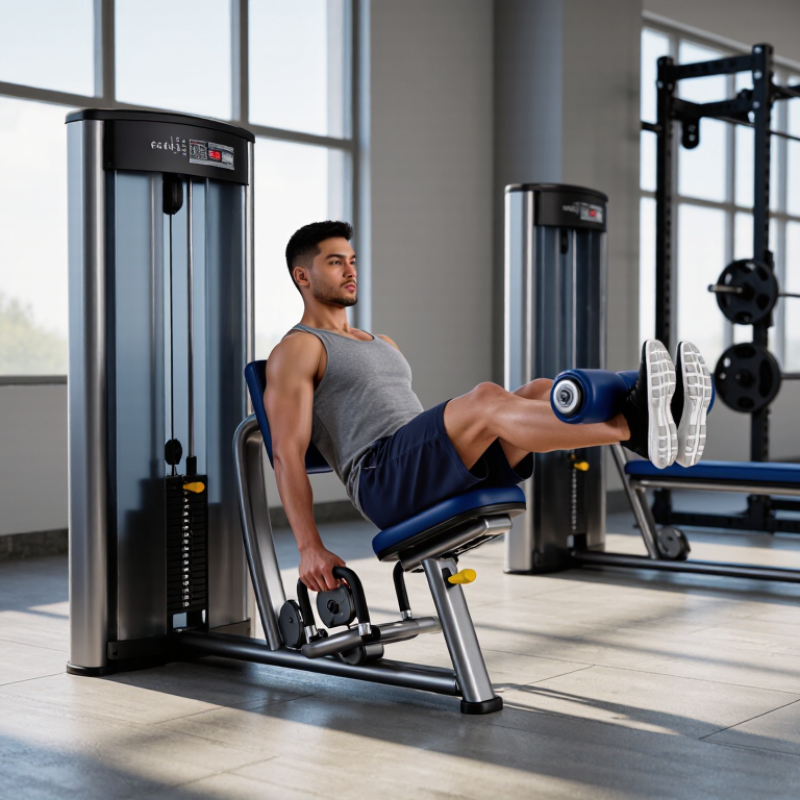
Why Choose a Reverse Back Extension Machine?

How a Reverse Back Extension Machine Works

A reverse back extension machine moves the legs while the upper body stays supported. You lie face down, position your hips near the machine’s pivot, and secure your feet or ankles against its pads. As you lift your legs behind you, the movement comes mainly from hip extension, using the glutes and hamstrings. Your trunk muscles help keep your torso steady. Machine designs vary, so check how the pads and pivot align before starting. That detail matters. The setup can feel awkward at first, and a bigger lift is not automatically better.

Tips: Set the pads comfortably and begin with little or no added weight. Keep your torso supported and raise your legs only as far as you can control without arching your lower back. Move smoothly; swinging can make the movement harder to judge. Stop if you feel sharp or unusual pain.

On the way down, lower your legs slowly rather than letting the weight pull them. This controlled return helps you notice whether your hips are doing the work or your lower back is taking over. A trainer can help check your positioning, especially if the machine’s design is unfamiliar. The exercise may look simple, but the small details count.

Why Choose a Reverse Back Extension Machine?

How a Reverse Back Extension Machine Works

The machine supports your torso while your legs move through hip extension and a controlled return. The chart is a normalized movement illustration, not measured motion or muscle-activation data; machine setup and range of motion vary.

Muscles Trained and Movement Mechanics

A reverse back extension machine trains the glutes, hamstrings, and lower-back muscles through controlled hip extension. On many designs, you lie face down with your hips supported and your legs hanging freely. Lift your legs behind you by squeezing your glutes, then lower them slowly. The movement should come mainly from your hips, not from sharply arching your lower back.

Your gluteus maximus drives much of the lift, while the hamstrings assist. The spinal erectors help keep your torso steady. Keep your ribs gently braced and use a comfortable range; lifting higher does not automatically make the exercise better. That distinction can be easy to miss. Machine designs and body proportions vary, so adjust the setup rather than forcing an awkward position.

Tips: Start with no added weight. Move slowly. Pause when your legs align with your torso, then lower with control. If you feel pinching in your back, shorten the range or stop and reassess your form. A cue that helps one person may not help another, so pay attention to how the movement feels.

Why Choose a Reverse Back Extension Machine? - Muscles Trained and Movement Mechanics

Dimension What It Involves Muscles or Mechanics Practical Training Note
Movement pattern The upper body is supported while the legs move behind and return in a controlled arc. Primarily hip extension; the pelvis and trunk should remain controlled rather than repeatedly arching the lower back. Use a comfortable range and move smoothly. Machine designs vary, so follow the equipment’s setup instructions.
Gluteus maximus Extends the hip as the thighs travel backward. A major contributor to hip extension, especially when the movement is driven from the hips. Think of moving the thighs with the glutes while keeping the ribs and pelvis steady.
Hamstrings Assist hip extension and help control the return of the legs. The hamstrings cross the hip and contribute to extending it; their contribution can vary with knee position and machine setup. Keep the knees in the position recommended for the machine and avoid using momentum to lift the legs.
Spinal erectors Help stabilize the trunk and maintain spinal posture. They work mainly to resist unwanted movement when the torso is supported and braced. Maintain a comfortable, controlled trunk position instead of finishing each repetition with an exaggerated back arch.
Abdominal muscles Assist with bracing and trunk control during the leg movement. Help limit excessive movement through the trunk and pelvis. Brace gently and breathe continuously; avoid holding your breath for every repetition.
Return phase The legs lower toward the starting position under control. Glutes and hamstrings manage the lowering, while trunk muscles help maintain a stable position. Lower the load smoothly rather than letting it swing or drop.
Load and progression Resistance may come from a weighted lever, plates, or another machine-specific loading system. More load increases the demand on the hip extensors and stabilizing muscles. Start light, learn the movement, and increase resistance gradually while maintaining control.
Common form errors Using momentum, lifting beyond a comfortable range, or moving mostly through the lower back. These can reduce control and shift the movement away from a deliberate hip-extension pattern. Reduce the load or range if you cannot keep the motion smooth and comfortable.
Best suited for People seeking a supported way to train hip extension and the posterior chain. Targets the glutes and hamstrings while requiring trunk stabilization; the exact emphasis depends on the machine and technique. Use it as one part of a balanced program, not as a substitute for every lower-body or back exercise.

Safety note: Stop if the exercise causes sharp pain, numbness, or symptoms that worsen. If you have a back or hip condition, seek guidance from a qualified health professional before training.

Potential Benefits for Strength and Conditioning

A reverse back extension machine can train hip extension while the torso stays supported. This setup may help focus effort on the glutes, hamstrings, and lower-back muscles without balancing a free weight. During each repetition, the legs move behind the body and return under control. Small, steady motions matter. The goal is not to lift as high as possible; using momentum or excessive range may place unwanted stress on the lower back. The learning curve can feel awkward.

For strength and conditioning, adjustable resistance allows users to increase workload gradually. A beginner might start with light resistance, a comfortable range, and a slow tempo. More experienced trainees can add load while keeping the pelvis stable and the movement smooth. The machine may complement squats, hip hinges, and trunk exercises, but it does not replace them. Fit varies between machines, too; an uncomfortable pad position is a reason to adjust the setup or stop. People with back pain, recent surgery, or uncertainty about safe movement should seek advice from a qualified health professional.

How It Compares with Other Posterior-Chain Exercises

Why Choose a Reverse Back Extension Machine?

How It Compares with Other Posterior-Chain Exercises

A reverse back extension trains hip extension while your torso rests on a pad and your legs move against resistance. Compared with a Romanian deadlift, it needs less grip strength and usually less full-body bracing. A deadlift still offers a more demanding hip hinge, while a hip thrust loads hip extension differently, especially near the top. These movements overlap, but they are not interchangeable. The machine’s fixed path may also feel awkward for some hips. Not automatically better.

For general strength training, the American College of Sports Medicine recommends 1–3 sets of 8–12 repetitions for novice adults (ACSM, “Progression Models in Resistance Training for Healthy Adults,” 2009). That guidance is not specific to this machine. Use it as a starting point, not a promise of results. Keep the movement controlled, and avoid swinging your legs or forcing your lower back to arch. If your back feels strained, reduce the load and reassess your range.

Tips: Start light and pause briefly at the top. Keep your ribs steady against the pad. Compare how your hips and back feel during the next session; comfort matters, but it is not proof of perfect technique.

Choosing and Using a Machine Safely

Why Choose a Reverse Back Extension Machine?

Choosing and Using a Machine Safely

A reverse back extension machine can train the glutes, hamstrings, and muscles around the lower back through controlled hip extension. Its design supports the upper body while the legs move, but the movement should still feel steady. Choose a machine that fits your height, with your hip crease near its pivot. Check that the pads feel secure, foot supports stay still, and adjustment pins lock fully. No wobbling.

Start with no or light resistance. Set your torso comfortably against the pad, keep your ribs down, and brace gently. Lift your legs only until they align with your body. Avoid swinging or arching your lower back to gain extra height. Lower slowly, without letting the weight stack crash. Stop if you feel sharp pain, numbness, or worsening pressure. If you have a back injury or feel unsure about your technique, ask a qualified clinician or trainer before adding resistance.

Tips: Keep the first set easy. Use a mirror or ask a trainer to check your range. Breathe out as your legs rise, and keep the motion smooth. It is tempting to think higher is better; that assumption deserves a second look. Pause briefly at the top, then return with control.

FAQS

How does a reverse back extension machine work?

You lie face down with your hips near the pivot. Your upper body stays supported as your legs lift behind you.

Which muscles does it train?

The movement mainly works your glutes and hamstrings. Your trunk muscles help steady your torso, while nearby lower-back muscles also contribute.

How should I set up the machine?

Align your hip crease near the pivot. Adjust the pads so they feel secure, and check that the foot supports and adjustment pins stay in place. No wobbling.

How high should I lift my legs?

Lift only until your legs align with your body. Keep your lower back from arching to gain extra height. Higher is not always better.

How much resistance should I use at first?

Start with no or light resistance. Keep the first set easy, then add weight only if you can move smoothly without swinging.

How is it different from a Romanian deadlift or hip thrust?

The machine supports your torso and moves your legs. A Romanian deadlift requires more grip and full-body bracing, while a hip thrust loads hip extension differently. They are not interchangeable.

How many repetitions should I try?

One general starting point is 1–3 sets of 8–12 repetitions for novice adults. That guidance is not specific to this machine, so adjust to your control and comfort.

What should I do if my back feels strained?

Reduce the resistance and shorten your range. Stop for sharp pain, numbness, or worsening pressure. If you have a back injury or feel unsure, ask a qualified clinician or trainer.

Conclusion

A Reverse Back Extension machine trains the posterior chain by supporting the upper body while the legs move through a controlled arc. This motion primarily works the glutes, hamstrings, and lower-back muscles, with the trunk helping stabilize the body. Adjusting the range of motion and resistance can make the exercise more manageable for different strength levels, while deliberate, smooth repetitions help maintain control.

The machine can complement strength and conditioning routines by building posterior-chain strength and reinforcing hip extension. Compared with exercises such as deadlifts or good mornings, it offers a supported movement pattern, though it does not replace the balance and whole-body demands of free-weight exercises. To use it safely, set the pads and range of motion to suit your body, begin with light resistance, avoid swinging or forcing the back into excessive extension, and stop if you feel pain.

Julian Mercer

Julian Mercer

Julian Mercer is a professional marketing specialist with a strong understanding of the company’s products, customer needs, and the practical challenges its customers face. He regularly contributes expert articles to the company website, sharing clear, useful guidance on product features,......