
Verified commercial-grade hardware designed for high-intensity athletic environments, institutional facilities, and commercial training hubs.
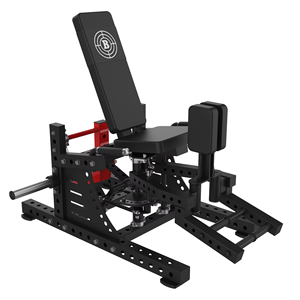
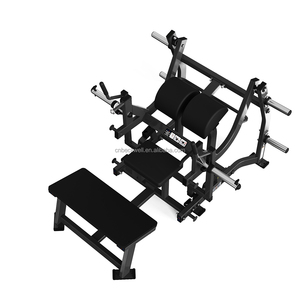
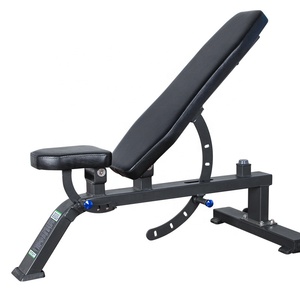
In the modern commercial fitness and athletic performance ecosystem, modular rig structures represent the operational backbone of high-density training facilities. As facility directors, collegiate strength coaches, and commercial gym operators seek to maximize square-footage utility, the requirement for multi-functional, modular rig attachments has transitioned from an operational luxury to a strategic necessity. However, procuring accessories for power racks, modular rigs, and strength stations involves stringent mechanical engineering, material integrity, and international regulatory compliance considerations.
This technical whitepaper provides an exhaustive analysis for commercial buyers, equipment importers, and project engineers regarding the sourcing standards, compliance protocols (specifically CE Marking under EN ISO 20957-1 standards), structural testing methodologies, and ergonomic developments governing commercial rig attachment manufacturing.
European and global safety frameworks require stationary training equipment to withstand cyclic loading without catastrophic structural fatigue. A genuine CE Certification for rig attachments guarantees that components—such as Jammer Arms, Dip Stations, Monolifts, and Safety Spotter Arms—have passed strict dynamic load tests (often requiring a 4:1 safety factor over rated maximum working capacity).
How high-grade raw materials and advanced fabrication methodologies separate commercial-grade attachments from light-duty alternatives.
Commercial rig attachments utilize structural steel tubing—typically 3x3-inch (75x75mm) or 2x3-inch (50x75mm) profiles fabricated from minimum 11-gauge (3.0mm) Q235B or Q345B structural steel. This guarantees zero structural torsional deflection during maximum load execution.
Structural welds are executed via automated 6-axis robotic welding cells, ensuring continuous, deep-penetration weld seams. This eliminates thermal stress points and ensures compliance with AWS D1.1 structural welding standards.
To resist corrosion in humid or high-use environments, components undergo multi-stage zinc phosphate pre-treatment followed by electrostatic thermosetting powder coating (80–120 microns thickness), achieving C3 corrosion protection standards.
When preparing tender specifications or purchasing documentation for large-scale fitness centers, municipal installations, or commercial clubs, sourcing managers must review exact engineering tolerances.
| Component Category | Material Specification | Load Capacity (Static / Dynamic) | Compliance Standards | Primary Commercial Application |
|---|---|---|---|---|
| Lever / Jammer Arms | 11-Gauge Structural Tubing, UHMW Liners | 500 kg / 350 kg per arm | CE EN957 Class S, ISO 20957 | Explosive Athletic Conditioning & Iso-Lateral Pressing |
| Monolifting Attachments | 12mm Laser-Cut Steel Plate, Counterweight Mechanism | 650 kg Static System Load | CE Safety Directive 2006/42/EC | Powerlifting Racks & Heavy Squat Stations |
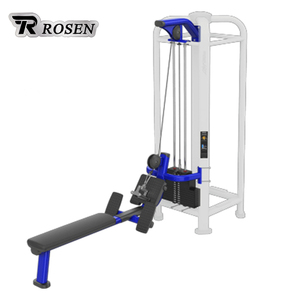
| High/Low Lat Pulley Add-ons | 6mm Aircraft Cable (7x19 Strand), Nylon Pulleys | 150 kg Selectorized Stack / 200 kg Plate Loaded | ISO 9001 Quality System, CE EN957 | Cable Functional Training & Upper Body Accessory Stations |
| Safety Spotter Arms | 3mm Wall Steel, Full Length UHMW Wear Strips | 800 kg Static Drop Capacity | CE EN957 Structural Fatigue Standard | Solo Heavy Free-Weight Training & In-Cage Lifting |
| Multi-Grip Chin-Up Modules | 32mm Solid Grip Tubing, Textured Powder Coating | 350 kg Dynamic Bodyweight Capacity | CE Certification, EN ISO 20957-1 | Tactical Conditioning & Group Fitness Rig Lines |
As the commercial fitness sector evolves toward data-driven training environments and space-efficient floor planning, manufacturing techniques for rig attachments are undergoing significant technological transformations. Buyers looking to future-proof their supply chains should monitor four critical engineering trends:
The global market is consolidating toward standardized 3x3-inch upright dimensions featuring 1-inch (25.4mm) or 5/8-inch (15.8mm) laser-cut holes with 2-inch center-to-center spacing. Precision laser-cutting ensures attachment pin alignment without mechanical binding.
To preserve upright powder coating and prevent steel-on-steel friction that leads to oxidization, modern CE-certified attachments integrate full-coverage Ultra-High-Molecular-Weight (UHMW) polyethylene liners inside all attachment brackets.
Single-purpose attachments are rapidly being superseded by multi-articulating leverage systems. A single Jammer Arm assembly can now transition seamlessly from a chest press to a deadlift/shrug station, squat exercise, or row platform using quick-release pop-pins.
When partnering with our manufacturing matrix for institutional gym equipment, importers, distributors, and facility managers leverage over 40 years of precision American and international manufacturing expertise. Our facilities integrate full-tier production capabilities optimized for custom B2B projects:
We provide full OEM/ODM custom capabilities including two-tone powder coating, laser-cut logo crossmembers, custom upholstery embroidery, and branded color-matched upright shrouds to mirror corporate or university athletic identities.
Our engineering team works directly with facility owners to produce millimeter-accurate 3D CAD and BIM floor plan renders. This eliminates spatial bottlenecks and ensures optimal safety zones around all rig attachment modules.
Every batch undergoes non-destructive magnetic particle inspection on structural welds, salt-spray corrosion chamber testing, and dynamic weight drops prior to export packaging in reinforced ocean-freight steel crates.
Technical and commercial guidance for purchasing agents, importers, and facility owners.
Connect with our technical engineering sales team today to request a factory-direct quote, custom floor plan layout, or comprehensive product catalog.