In the modern commercial fitness industry, the procurement of high-density Olympic bumper plate sets and associated strength training infrastructure represents a capital-intensive decision for facility operators, wholesale distributors, and institutional buyers. As global demand for Olympic weightlifting, functional fitness, and high-intensity strength conditioning expands across commercial health clubs, university athletic centers, and military facilities, the imperative for durable, dimensionally precise, and low-rebound bumper plates has reached unprecedented heights.
China has solidified its position as the premier manufacturing epicenter for Olympic free weight equipment, commanding over 75% of global OEM/ODM output. However, navigating China’s export landscape requires a granular technical understanding of material formulation, vulcanization press chemistry, center hub co-molding integrity, and durometer hardness ratings. This technical buyer’s guide provides an exhaustive analysis of China's top bumper plate manufacturing protocols, evaluating engineering metrics, quality assurance frameworks, and emerging B2B procurement trends for 2025 and beyond.
The performance, acoustic signature, dead-bounce capability, and longevity of a commercial bumper plate are fundamentally dictated by its polymer composition and structural architecture. Leading Chinese exporters categorize bumper plate manufacturing into three distinct technological tiers:
Utilizing 100% natural virgin rubber combined with precise sulfur vulcanization agents under 200-ton hydraulic compression. Achieves a Shore A durometer hardness of 88–92, resulting in minimal bounce, exceptional impact force dissipation, and negligible VOC off-gassing. Ideal for high-turnover commercial facilities and competition platforms.
Engineered via thermosetting liquid polyurethane casting around a precision-machined steel core. CPU plates feature ultra-thin profiles, allowing maximum bar loading capacity (up to 290kg on a standard 2.2m Olympic bar). CPU exhibits zero aroma, zero color fading, and superior tear resistance, operating as the gold standard for elite training facilities.
Formulated from shredded post-consumer tire rubber bonded with polyurethane binders under heat and pressure. Offers maximum shock absorption and high rebound, preserving outdoor turf and lifting platforms. While thicker in profile, recycled crumb plates deliver cost-effective performance for garage gyms and tactical training units.
A critical engineering failure point in low-grade bumper plates is the separation of the central 50.4mm stainless steel hub from the surrounding rubber matrix. Top-tier Chinese exporters employ co-molded anchor flange technology. Rather than pressing a smooth steel insert into cured rubber, high-grade factories utilize a solid steel insert equipped with perimeter mechanical teeth or multi-hole locking tabs. During hydraulic vulcanization, raw rubber flows through the hub's locking tabs, creating an unbreakable mechanical and chemical bond capable of enduring over 30,000 continuous drop tests from a 2-meter height.
To assist institutional buyers and equipment importers in benchmarking specification requirements, the following matrix outlines key technical metrics across primary bumper plate variants manufactured in leading Chinese export hubs (such as Shandong, Jiangsu, and Hebei provinces):
| Specification / Metric | Premium Virgin Rubber | CPU Cast Urethane | Crumb Rubber (Hi-Temp) | Standard Recycled Rubber |
|---|---|---|---|---|
| Shore A Durometer Rating | 88 - 92 Shore A | 93 - 96 Shore A | 75 - 80 Shore A | 80 - 85 Shore A |
| Bounce Characteristic | Low / Dead Bounce | Ultra-Low / Zero Bounce | Medium - High Rebound | Moderate Rebound |
| Center Hub Construction | Co-Molded Stainless Steel Flange | Hardened Chrome Hardwood Insert | Brass / Steel Tube Insert | Pressed Sheet Steel Insert |
| Weight Tolerance Calibration | ±10g of claimed weight | ±5g of claimed weight | ±1.5% of claimed weight | ±2.0% of claimed weight |
| Plate Width Profile (45lb / 20kg) | ~82 mm (3.2 inches) | ~48 mm (1.88 inches) | ~98 mm (3.85 inches) | ~90 mm (3.54 inches) |
| Drop-Test Longevity Standard | > 20,000 Drops @ 2 meters | > 40,000 Drops @ 2 meters | > 15,000 Drops @ 2 meters | > 5,000 Drops @ 2 meters |
| Aromatic / VOC Profile | Odorless / Ultra-Low VOC | 100% Odorless | Mild Rubber Aroma | Moderate Rubber Odor |
The international fitness equipment market is undergoing a rapid transition toward bespoke facility aesthetics, micro-calibrated performance gear, and ecologically sustainable supply chains. Chinese fitness equipment factories are adapting to these shifts through several strategic innovations:
International Weightlifting Federation (IWF) color standards (Red = 25kg, Blue = 20kg, Yellow = 15kg, Green = 10kg) are no longer reserved strictly for competition venues. Commercial health clubs increasingly mandate IWF color conformity for intuitive member use. Advanced Chinese manufacturers now offer integrated vulcanized color logos and laser-etched stainless steel hubs, replacing temporary screen-printed ink with permanent, wear-resistant brand graphics.
Leading factories in Jinan, Dezhou, and Qingdao have integrated automated robotic arms for raw rubber pre-form weighing and mold loading. Automated thermal sensors maintain precise temperature uniformity across 250°C mold cavities, eliminating internal void formation, micro-air pockets, and structural delamination. This automation yields a drop-failure rate under 0.02% across large-volume container shipments.
With stringent EU REACH and US California Proposition 65 regulations governing chemical off-gassing, top exporters have upgraded their compound formulas. By replacing traditional polycyclic aromatic hydrocarbons (PAHs) and low-grade petroleum plasticizers with medical-grade elastomer oil binders, Chinese factories deliver bumper plates ready for immediate unboxing in climate-controlled indoor studios without offensive odors.
When selecting an OEM partner or sourcing directly from a Chinese manufacturing facility, procurement managers must move beyond digital catalogs and enforce strict factory verification standards. A comprehensive factory quality control audit should evaluate four essential pillars:
Require supplier verification certificates for 100% SBR virgin natural rubber compounds or TPU resins. Audit chemical batch reports to verify compliance with REACH PAH limits and RoHS heavy metal bans.
Ensure the factory operates automated pneumatic drop-test towers capable of continuously dropping loaded barbells onto dense rubber mats. Standard protocol requires 10,000–30,000 drop cycles without hub loosening or rim cracking.
Commercial competition bumper plates must adhere to strict weight tolerances. Premium suppliers utilize automated digital scales integrated into the finishing line, automatically rejecting any 20kg plate deviating by more than ±10 grams.
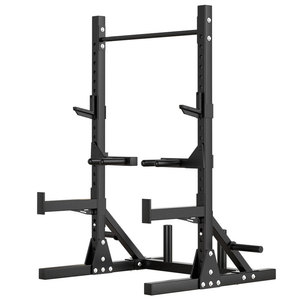
A high-performance training facility requires complete equipment harmony. Bumper plate sets must seamlessly interface with precision-engineered 50mm barbell sleeves, heavy-duty power racks, plate-loaded strength stations, and specialized utility benches.
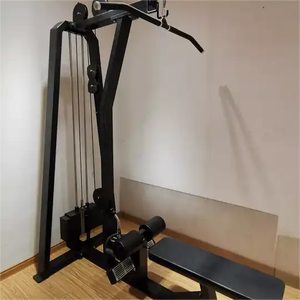
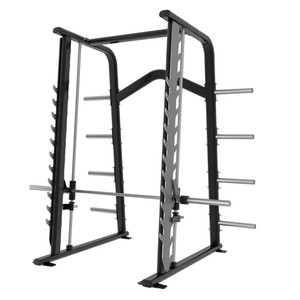
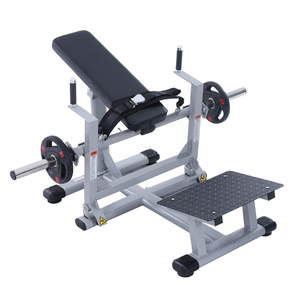
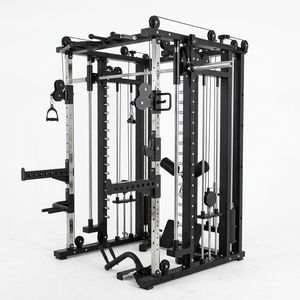
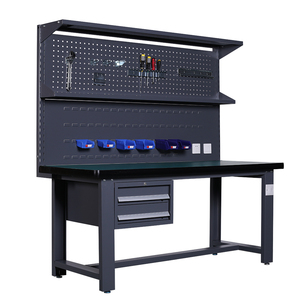
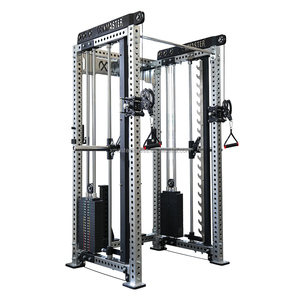
When outfitting commercial weight rooms, sourcing your free weights alongside heavy strength equipment—such as commercial Smith machines, heavy-duty hip thrust trainers, multi-station cable racks, and ergonomic workbenches—ensures unified color schemes, matching powder-coat finishes, consolidated shipping logistics, and predictable container volume optimization.
Whether you are planning a multi-location commercial gym rollout, launching a private-label fitness brand, or seeking high-volume wholesale manufacturing, our engineering specialists provide turnkey solutions from CAD floor planning to custom OEM production.
Contact Us