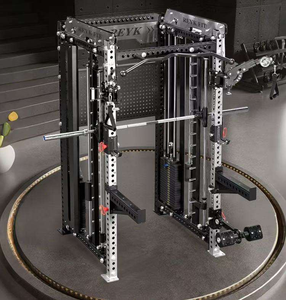
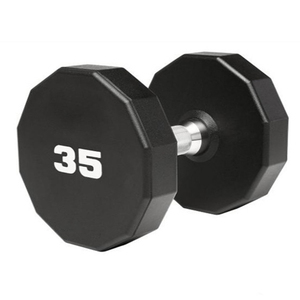
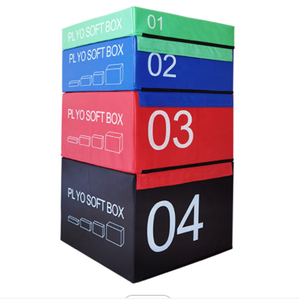
Explore our premier commercial strength lineup engineered for university athletic centers, high-volume commercial fitness clubs, and elite training facilities. Manufactured with strict precision to exceed global quality standards.
In high-volume commercial athletic facilities, equipment longevity directly dictates operational profitability. Standard vulcanized rubber bumper plates—once the industry standard—suffer from rapid structural degradation, surface chipping, severe chemical off-gassing, and excessive rebound variance over time. Leading commercial gym equipment manufacturers have pivoted to Cast Polyurethane (CPU) as the superior material formulation for premium bumper plates.
Cast Urethane (CPU) involves a thermosetting liquid reaction that creates permanent 3D molecular cross-links. Unlike Thermoplastic Urethane (TPU) which melts under heat and friction, CPU retains structural rigidity, offering unmatched resistance against tears, punctures, and rim deformation under heavy repeated drops.
CPU bumper plates exhibit a precise Shore A hardness rating of 90 to 95 ShA. This high durometer measurement delivers a controlled "dead bounce," preventing unpredictable barbell rebounds, protecting subfloor foundations, and reducing impact sound decibels in multi-story fitness facilities.
Traditional recycled rubber plates emit harmful Volatile Organic Compounds (VOCs) and sulfur odor. Industrial-grade polyurethane is completely inert, odorless, and non-porous. It resists sweat absorption, oils, cleaning solvents, and UV radiation without discoloring or cracking.
Evaluate key physical metrics when selecting a trusted urethane bumper plate supplier. High-performance facilities specify CPU for minimal lifetime ownership costs.
| Performance Characteristic | Cast Polyurethane (CPU) | Thermoplastic Polyurethane (TPU) | Virgin / Recycled Rubber |
|---|---|---|---|
| Shore Hardness (Durometer) | 92 - 95 ShA (Optimal) | 85 - 90 ShA | 75 - 85 ShA (Soft) |
| Drop Test Endurance Cycle | 50,000+ Drops | 15,000 - 20,000 Drops | 5,000 - 10,000 Drops |
| Hub Separation Resistance | Mechanical Anchor Weld (High) | Press-Fit Insert (Moderate) | Glued / Vulcanized (Low) |
| Weight Calibration Tolerance | ±10g (IWF Competition Standard) | ±1% - ±2% | ±2% - ±5% |
| Chemical & UV Odor Emission | 100% Odorless / Non-Toxic | Low Odor | Strong Sulfur / Chemical Odor |
| Custom Branding Infill | Laser-Cut Chemically Molded Logos | Screen Printed (Fades) | Stenciled Paint (Wears Off) |
As the global fitness equipment market accelerates toward higher customization, ergonomic safety, and structural longevity, OEM/ODM suppliers are introducing key technological innovations in polyurethane casting.
The primary failure point in traditional bumper plates is center ring separation. Next-generation factories utilize heavy-duty, CNC-machined hard-chrome steel hubs engineered with multi-flanged locking pins. During liquid polyurethane injection, the polymer flows through the steel hub's mechanical anchor points, chemically bonding and physically locking the sleeve to the core. This eliminates hub blowout even under aggressive Olympic drop protocols.
High-tensile CPU formulations allow engineers to mold thinner plate profiles without compromising impact strength. A standard 20kg/45lb CPU bumper plate measures approximately 40mm to 48mm in width—significantly slimmer than bulky 80mm rubber plates. This structural efficiency allows powerlifters and strength athletes to load over 700lbs on a standard Olympic bar sleeve.
Commercial branding is vital for professional franchises, universities, and commercial gym chains. Modern factories offer multi-stage co-injection molding. Custom institutional logos, Pantone-matched colors, and raised weight markings are molded directly into the plate matrix rather than painted, ensuring custom branding never chips, peels, or fades over decades of heavy usage.
Environmental regulations in North America and Western Europe (such as EU REACH and RoHS compliance) are pushing polymer engineers toward plant-derived polyols and bio-based polyurethane catalysts. Leading tier-1 suppliers are reducing carbon footprints during liquid casting while maintaining supreme tear resistance and durometer stability.
Procurement managers, commercial gym owners, and institutional equipment distributors must navigate evolving global supply chain dynamics when contracting strength equipment factories.
Institutional buyers increasingly prefer integrated manufacturers capable of delivering comprehensive strength ecosystems. Sourcing racks, benches, selectorized units, and custom urethane free weights from a single factory ensures uniform powder-coat colors, matching material aesthetics, combined freight logistics, and streamlined warranty accountability.
Flexibility in Minimum Order Quantities (MOQs) is becoming a vital vendor evaluation factor. Top suppliers now support modular manufacturing lines, allowing buyers to customize frame powder coats, two-tone upholstery, laser-cut logo crossmembers, and custom-molded urethane plates for small-to-medium facility buildouts without extreme cost surcharges.
While raw initial purchase costs (CAPEX) for rubber bumper plates appear lower than polyurethane, forward-thinking procurement teams evaluate the 10-Year Total Cost of Ownership. Rubber plates frequently require replacement every 2 to 3 years under commercial abuse, whereas CPU urethane plates carry a 5 to 10-year lifespan, cutting replacement costs by up to 60%.
Rooted in decades of American manufacturing heritage in Knoxville, Tennessee, our engineering philosophy prioritizes heavy-duty structural steel, precision robotic welding, custom powder coating, and premium polyurethane chemistry. Every rack, bench, machine, and urethane weight plate is crafted to withstand high-volume abuse from university athletic programs, professional sports franchises, military training centers, and commercial health clubs worldwide.
Expert answers to common technical, manufacturing, and shipping questions when sourcing commercial urethane bumper plates and strength equipment.
A: Cast Urethane (CPU) involves a chemical thermosetting reaction poured as a liquid into molds, forming dense, unbreakable molecular cross-links. TPU is a melted plastic resin that degrades faster under repeated shock impact. CPU provides a higher Shore A hardness (92-95 ShA), vastly superior tear resistance, zero odor, and a guaranteed longer lifespan in commercial settings.
A: The engineered durometer (90-95 ShA) of CPU urethane absorbs dynamic force while preventing wild bounce behavior. Combined with a dead-bounce profile, drops from overhead or rack positions transfer less kinetic energy directly to rubber platforms and structural subfloors. Furthermore, CNC-machined smooth stainless steel center hubs eliminate sleeve abrasion on expensive competition barbells.
A: A verified top-tier supplier should provide ISO 9001 Quality Management certification, EU REACH and RoHS compliance certificates (confirming non-toxic, chemical-free materials), digital scale weight tolerance calibration certificates (±10g), and automated drop-test cycle reports exceeding 30,000 to 50,000 drops without structural hub separation.
A: Yes. As a custom equipment factory, we offer full OEM/ODM branding services. Logos and weight callouts can be chemically molded into the plate surface using custom tooling dies, creating vibrant, permanent, non-fading multi-color infills matching your school or facility Pantone colors.
A: Standard lead time for custom built-to-order strength equipment and urethane weight plate production runs is typically 30 to 45 days upon mold confirmation and design approval. Comprehensive container shipments are packaged in reinforced pallet crates engineered for international ocean freight logistics.
A: Inferior bumper plates press-fit simple smooth metal rings into rubber, which easily pop out when dropped unevenly. Our advanced urethane plates utilize heavy-gauge hard-chrome steel hubs featuring welded outer anchor tabs and mechanical lock holes. The polyurethane flows around these anchors during liquid casting, locking the hub permanently inside the polyurethane rim.
A: Absolutely. Polyurethane is non-porous and completely impervious to water moisture, sweat, humidity, and UV exposure. Unlike iron plates that rust or standard rubber that breaks down and rots under sun exposure, CPU urethane maintains structural aesthetics and physical performance in indoor, outdoor, or humid coastal environments.
A: Simply click the "Inquire Now" button on this page to connect directly with our facility layout specialists. We provide complimentary 3D floor plan designs, custom color renders, and detailed factory-direct pricing tailored to your room dimensions and equipment specifications.
Ready to equip your facility with elite-grade Cast Polyurethane bumper plates, heavy-duty power racks, selectorized strength systems, and custom lifting platforms? Contact our factory engineers today for direct quotes, technical specifications, and custom branding assistance.