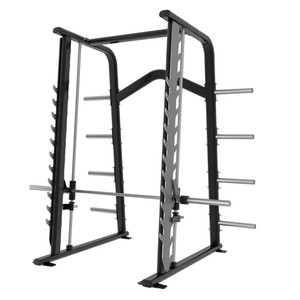
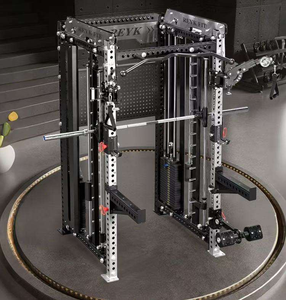
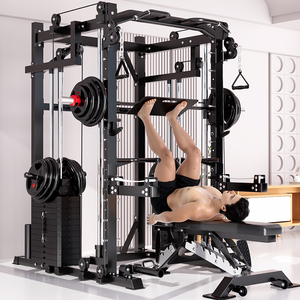
Explore our factory-direct multi-station gym configurations. Built with 11-gauge structural steel and engineered for continuous commercial usage, these systems maximize workout density per square meter in high-density urban environments.
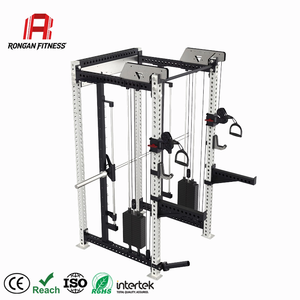
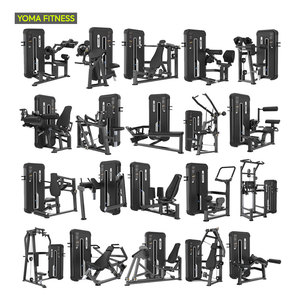
Operating a commercial fitness facility or private training studio in Greater Tokyo—spanning prime districts such as Shibuya, Minato-ku (Roppongi, Akasaka), Chiyoda-ku, and Shinjuku—presents unique structural, architectural, and financial parameters. With commercial real estate lease rates in central Tokyo commanding some of the highest price tags per tsubo (3.3 square meters) globally, gym operators cannot afford low revenue-density equipment configurations.
As an international manufacturer and direct factory supplying commercial gym networks in Japan, our design engineering revolves around solving three critical challenges specific to Japanese commercial space: Floor Load Tolerances (kg/m²), Acoustic/Vibration Isolation in Multi-Tenant Commercial Buildings (Tenpo Buildings), and Throughput Efficiency Per Square Meter.
Standard commercial floors in Tokyo multi-story tenant structures typically support allowable live loads between 300 kg/m² and 500 kg/m². Our modular multi-station gym towers are engineered with broad structural load distribution plates, heavy-gauge rubber decoupling footings, and balanced weight-stack positioning to ensure compliance with structural architectural codes while eliminating localized stress points.
Different districts across Metropolitan Tokyo demand tailored equipment deployment strategies based on tenant demographics, architectural layouts, and service models:
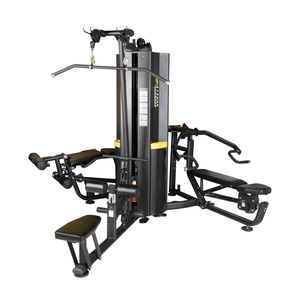
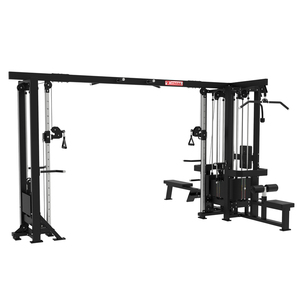
The rapid expansion of 24-hour micro-gyms across high-density transit corridors requires fail-safe, ultra-durable multi-station machines. Our 3-in-1 and 5-station multi-jungles combine Lat Pulldown, Low Row, Cable Crossover, and Smith Station into a single centralized frame. This allows up to 5 members to train simultaneously in a tight 20-tsubo (66 m²) footprint with zero gear overlap or cable friction.
Multinational corporate headquarters in Tokyo's financial districts prioritize executive wellness facilities. Our customizable selectorized multi-station equipment features sleek two-tone electrostatic powder coating, laser-cut custom corporate branding, and whisper-quiet enclosed weight stack shrouds engineered to blend into high-end corporate interiors without disrupting adjacent conference rooms.
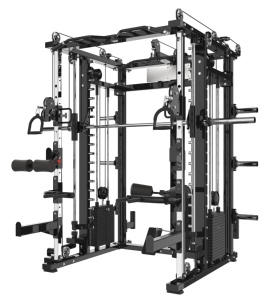
Boutique strength studios catering to personal trainers and elite clients require versatile, multi-functional strength cages. Our All-in-One Smith Machine Cable Crossover units feature half-rack squat functionality, commercial bearing Smith guides, adjustable cable pulleys, and integrated chin-up/dip stations, enabling complete full-body client programming on one single machine.
High-end residential tower developments (Tower Mansions) and luxury hotel fitness centers require maximum functional versatility without cluttered dumbbell racks or excessive standalone units. Compact 3-station multi-gyms offer hotel guests premium strength training options with intuitive adjustment pins and ergonomic biomotion movement arcs.
Understanding user intent and market direction in Japan is vital for facility planners. Based on proprietary procurement data and local fitness market analytics, four major trends are shaping facility equipment selection in Tokyo:
Because over 80% of commercial gyms in Tokyo reside on upper floors of multi-story concrete or steel-frame buildings, weight stack impact sound and structural vibration travel easily through floor slabs. Our factory equips commercial multi-station units with high-density polyurethane shock absorbers beneath weight stack guide rods, self-lubricating nylon pulleys, and military-grade 2,000 lbs aircraft cables coated in low-friction PVC to achieve quiet movement compliance under ISO 10816 standards.
Peak workout hours in Tokyo gyms occur during evening post-commute windows (18:00 to 21:30). Single-function strength machines create bottleneck queues during peak hours. Multi-station gym rigs allow 3 to 5 users to train different muscle groups concurrently without interfering with each other's biomechanical path, driving higher member retention and hourly facility throughput.
Japan’s demography requires gym equipment that caters safely to both youth strength athletes and active seniors. Our selectorized multi-station machines incorporate incremental weight adjustment micro-adders (2.5 kg plates), counter-balanced Smith bars with low starting resistance (approx. 3.5 kg), and clear visual anatomical adjustment markers to prevent joint hyperextension among older users.
The table below contrasts traditional single-station machinery layouts against integrated multi-station gym systems within a typical 100 square meter commercial layout in central Tokyo:
| Configuration Strategy | Required Space (m²) | Simultaneous Users | Estimated Equipment CapEx | Floor Load Distribution | Revenue Density / m² |
|---|---|---|---|---|---|
| 5 Standalone Single Machines | approx. 22 - 28 m² | 5 Users | Higher (5 Individual Frames) | Concentrated Point Loads | Standard |
| Integrated 5-Station Multi-Jungle | approx. 8.5 - 12 m² | 5 Users | 35% Lower CapEx | Dispersed Frame Load | +180% High Density |
| All-in-One Smith / Cable / Rack | approx. 4.5 - 6.0 m² | 2 - 3 Users | Optimal Studio CapEx | Balanced Structural Weight | Maximum ROI |
Backed by over four decades of strength equipment manufacturing expertise, our state-of-the-art production facility builds commercial equipment to strict international quality control standards. Unlike traders or local brokers, direct factory partnership offers Tokyo commercial buyers undeniable advantages:
Constructed from heavy-gauge 11-gauge (3mm structural steel tubing), precision laser-cut and robotically welded to ensure zero structural flexing under heavy commercial loads.
Specify custom frame colors, two-tone powder coats, laser-cut custom branding plates, and heavy-duty double-stitched marine vinyl upholstery matching your gym's brand identity.
Our in-house facility specialists work alongside Tokyo architects and interior designers to supply accurate DWG/CAD files and 3D BIM room plans showing clearance and user traffic paths.
Clear answers to common logistics, technical specification, and installation questions asked by commercial buyers, facility managers, and importers in Japan:
Whether you are opening a new 24/7 commercial gym in Shibuya, outfitting a corporate wellness center in Marunouchi, or building a private personal training studio in Ebisu, our engineering team is ready to assist with custom quotes, 3D CAD floor plans, and factory-direct pricing.
Send an Inquiry