
As the capital of Aichi Prefecture and the industrial epicenter of Japan’s Chubu region, Nagoya represents one of Asia’s fastest-growing commercial gym markets. From high-density commercial fitness centers in Sakae and Meieki to corporate wellness centers within the automotive manufacturing corridor, facility operators demand strength training equipment that merges high-yield structural durability with elite aesthetic appeal. Among free-weight equipment, Cerakote-coated barbells have emerged as the gold standard for high-performance weightlifting, powerlifting, and functional fitness environments.
This technical OEM/ODM whitepaper evaluates the manufacturing processes, metallurgical engineering, and supply chain logistics involved in importing high-tensile Cerakote barbells from leading Chinese commercial equipment manufacturers directly to Nagoya. By establishing strict material sourcing, precise sleeve bushing/bearing tolerances, and authentic ASTM-certified polymer-ceramic application techniques, Japanese commercial distributors and gym owners can achieve significant cost efficiency without compromising on performance or corrosion protection.
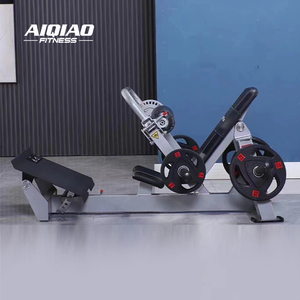
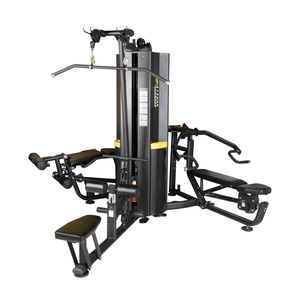
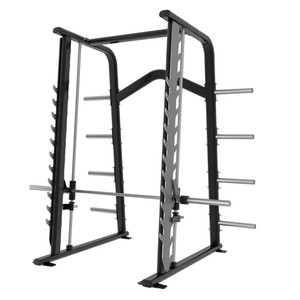
To build a complete high-traffic commercial facility in Nagoya, barbells must be supported by heavy-duty power racks, selectorized cables, and plate-loaded leg training systems. Below are top-tier commercial equipment units exported directly from premier Chinese manufacturing facilities:
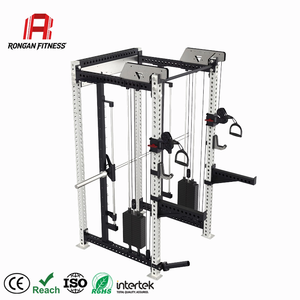
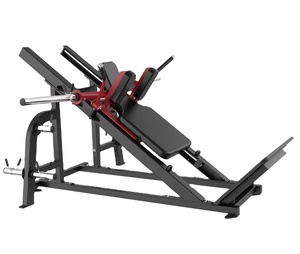
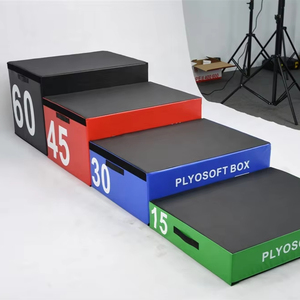
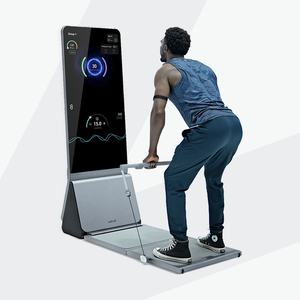
To understand why Cerakote barbells outperform traditional hard chrome, zinc, or black oxide bars in commercial environments, facility managers must look at material composition and surface engineering. Cerakote is a composite polymer-ceramic coating that delivers unmatched corrosion resistance, wear endurance, and tactile friction control.
Top Chinese manufacturers source high-tensile alloy steel (such as 42CrMo or modified spring steel) treated through precision heat processes. This yields a tensile strength between 190,000 PSI and 215,000 PSI, offering optimal whip for Olympic lifts without permanent deformation under max-load powerlifts.
Cerakote H-Series ceramic coatings are applied at ultra-precise thickness levels of 0.010 mm to 0.020 mm. Unlike thick rubber or heavy paint coatings, micro-thin polymer ceramics do not fill or smooth out the barbell’s knurling, preserving true tactile grip dynamics for heavy deadlifts and clean-and-jerks.
For smooth rotation during high-velocity lifts, sleeves are engineered with 4 to 10 precision needle bearings combined with self-lubricating bronze bushings. This dual setup guarantees frictionless spin while protecting inner shafts from lateral shear forces during heavy drops on rubber platforms.
Nagoya’s geographical proximity to Ise Bay exposes fitness facilities to elevated ambient humidity and saline airborne elements—especially during summer months. In standard salt spray tests (ASTM B117), traditional black oxide rusts within 24 to 48 hours, decorative chrome corrodes in 200 hours, while authentic Cerakote finishes resist rust past 1,000 continuous hours. Selecting Cerakote drastically reduces barbell maintenance, eliminates surface flaking, and cuts long-term equipment replacement costs by up to 60%.
When procuring bulk strength equipment for distribution or facility setup in Japan, comparing technical parameters ensures your shipment meets international gym safety and performance standards:
| Coating / Finish Type | Tensile Strength (PSI) | ASTM B117 Salt Spray Rating | Knurling Feel Retention | Color Customization (OEM) | Nagoya Climate Suitability |
|---|---|---|---|---|---|
| Cerakote (Polymer-Ceramic) | 190,000 – 215,000 PSI | 1,000+ Hours | 98% (High Tactile Feel) | Unlimited (Custom Colors/Logos) | Elite (Anti-Corrosion Standard) |
| Hard Chrome | 180,000 – 200,000 PSI | 250 – 400 Hours | 85% (Slightly Smoothed) | Silver Metallic Only | Moderate |
| Black Oxide | 150,000 – 190,000 PSI | 24 – 48 Hours | 100% (Raw Metal Feel) | Black Only | Poor (Requires Daily Oiling) |
| Stainless Steel (Uncoated) | 200,000+ PSI | 800+ Hours | 100% (Raw Metal Feel) | Natural Steel Only | High (Premium Price Point) |
Understanding local facility types allows OEMs and exporters to tailor barbell specifications (knurling aggressive levels, sleeve lengths, color designs) to meet specific market demands in Central Japan:
In bustling Nagoya urban hubs like Sakae and Nagoya Station, 24/7 commercial fitness chains require maximum durability under non-stop usage. Vibrant custom-colored Cerakote barbells (e.g., matte black, crimson, tactical tan) allow club operators to reinforce brand identity while keeping free-weight zones clean, rust-free, and visually appealing.
Functional fitness facilities in areas like Atsuta and Chikusa focus heavily on Olympic lifts and high-rep dropping. Chinese manufacturers supply 20kg male bars (28mm shaft diameter) and 15kg female bars (25mm shaft diameter) featuring dual knurl marks, 8-needle bearing spin systems, and impact-resistant Cerakote shafts designed to withstand thousands of bumper plate drops.
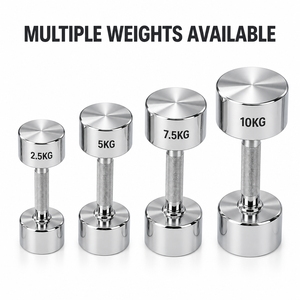
Aichi Prefecture hosts major global automotive and manufacturing headquarters. Corporate wellness centers within Toyota City and Nagoya industrial parks prioritize low-maintenance, ergonomic strength equipment. Cerakote barbells mated with heavy-duty Smith machines and rubber hex dumbbells offer long service life without constant lubrication.
Working with premier Chinese barbell manufacturers opens powerful private-label customization channels for Japanese fitness brand owners, equipment importers, and regional wholesalers:
1. Laser Etched Branding & Custom Sleeves: OEM suppliers utilize high-precision CNC laser engraving to apply custom brand logos, gym names, or weight indicators onto the center of the Cerakote shaft or sleeve end-caps. This produces a permanent, crisp logo mark that won't fade or rub off.
2. Tailored Knurling Patterns: Manufacturers offer multiple knurling profiles engineered for specific training styles:
3. Strict Quality Control & Drop Testing: Export-grade barbells undergo rigorous automated quality control checks before shipping, including digital ultrasonic flaw detection for internal steel flaws, 2,000kg static load bending tests, and 10,000-cycle dynamic drop testing on rubber platforms.
Importing commercial gym equipment into Japan requires efficient maritime shipping routes and clear customs processing. The Port of Nagoya (名古屋港), one of Japan's largest sea ports, serves as the primary entry hub for shipments arriving from Chinese manufacturing clusters (such as Shandong, Jiangsu, and Zhejiang provinces).
• Maritime Transit Time: Shipping container vessels from major Chinese ports (Ningbo, Qingdao, Shanghai) typically reach Port of Nagoya in just 3 to 7 days.
• Customs Compliance & Duties: Barbells and strength training machinery fall under HS Code 9506.91. Imports into Japan must clear JIS safety audits and require accurate commercial invoices, packing lists, and certificate of origin documentation to benefit from regional trade agreements.
• Packaging Standards: Export barbells are individually packed in heavy-duty PVC tubes, sealed with anti-humidity vapor wraps, and stacked in reinforced wooden crates to prevent bending or surface scratching during maritime transit.
Partner direct with verified China manufacturers for OEM/ODM commercial strength equipment. Request tailored price quotes, material specifications, and container shipping details for Nagoya delivery today.
Send an Inquiry